School of Management believes in three-level agenda, first, making a conducive classroom environment, second, dissemination of knowledge and third, the application of knowledge. Apart from regular classroom training, here we offer the management education through innovative pedagogy like business case study sessions, summer and winter internship programs, research and value-added programs including industry speaks.
In India, universities offer Bachelor’s, Master’s and also PhD in Physiotherapy. Introduction of Bachelors in Physiotherapy (BPT) was in the early 1990s in India. Bachelor in Physiotherapy (BPT) is a 4-year undergraduate program in physiotherapy with 6 months of mandatory clinical internship.
The Department aims at providing high quality training to students through the latest in computer technology. In order to maintain the standard of education, the department constantly upgrades the academic syllabi so as to keep the students well trained to deal with changing trends in the field of Computer Science and Technology. The syllabi and course ware are planned to be flexible and wide-ranging, incorporating the cutting edge as well as ensuring a firm grasp of core fundamentals.
The Innovation Lab has advanced prototyping and indigenous embedded
system development facilities. It is specifically designed for
inter-disciplinary research in robotics, AI, and industrial
automation. This lab environment enables the development of completely
functional prototypes for real-world problems using 3D printing,
sensor technology, and edge device technology.
The setup includes various robotic systems, vision systems,
microcontrollers, and fabrication technology, which enables students
and researchers to develop indigenous solutions. This helps in
experimenting and developing prototypes, and innovative machines for
real-world problems in alignment with the IIC vision.
Vision
The vision is to develop a research-based ecosystem in alignment with
IIC for smart manufacturing and Industry 4.0 solutions. The
development of a sustainable and innovation-driven ecosystem for
fostering creativity, research, and entrepreneurial skills among
students. Our vision is to develop a continuous innovation pathway by
empowering learners to develop impactful solutions, fostering a
culture of problem-solving, and developing future innovators and
entrepreneurs in various education institutions.
Mission
Our mission is to develop a dynamic innovation ecosystem in terms of
preparedness, responsiveness, and performance through hands-on,
interdisciplinary projects. Our focus is on developing practical
solutions in fields like AI, robotics, automation, IOT and sustainable
technologies.
By promoting indigenous development, research-based thinking, and
continuous experimentation, we hope to help students innovate, adapt,
and develop impactful solutions according to the industrial and
society needs.
Member:
Head: Shopan Dey, Research Associate, UEM Jaipur
Member: Aniket Jaiswal, Lab Assistant, UEM Jaipur
Facilities
Hardware and Software Components:
Nvidia Jetson (Thor, AGX Orin, Nano)
3-D Printer and CNC
High-End PC with GPU
Soldering Machine
Drills, Cutter Machine
Laser Engraver
Project:
Our research group has been actively engaged with various innovative
and interdisciplinary research projects that align with the objectives
of the Institute Innovation Council (IIC) and have been focused on
problem-solving and technology-based innovations. Some of the research
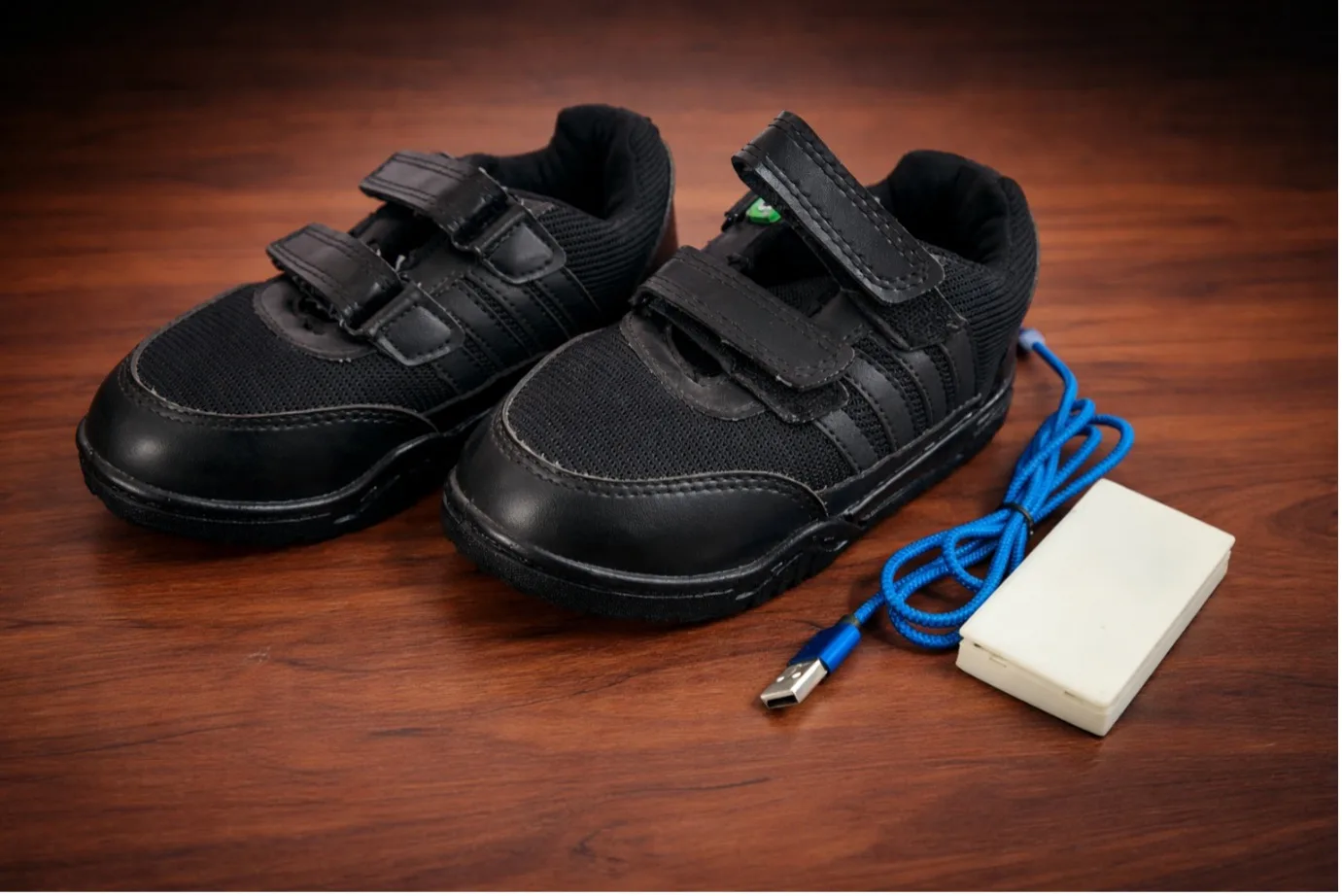
projects undertaken by us include the development of smart wearables
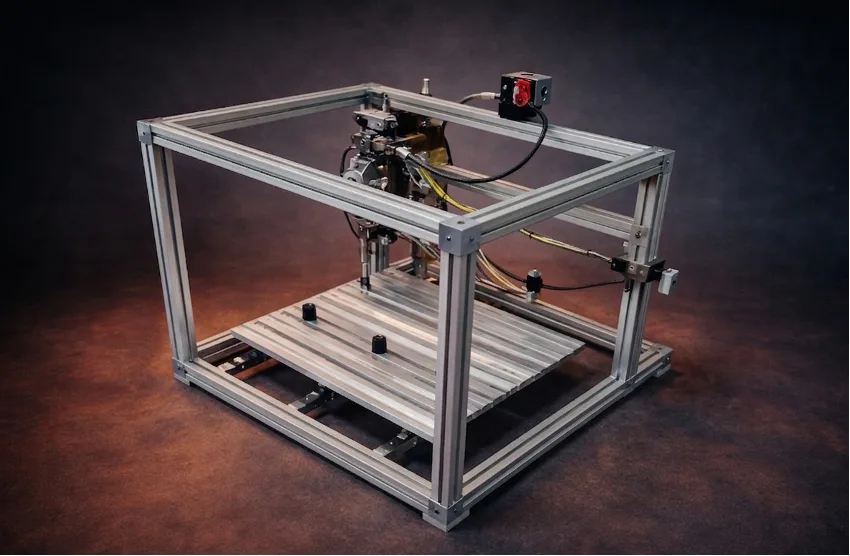
for child safety, such as GPS-based smart shoes, and automation-based
projects, including an automatic soldering machine for precise
electronics manufacturing.
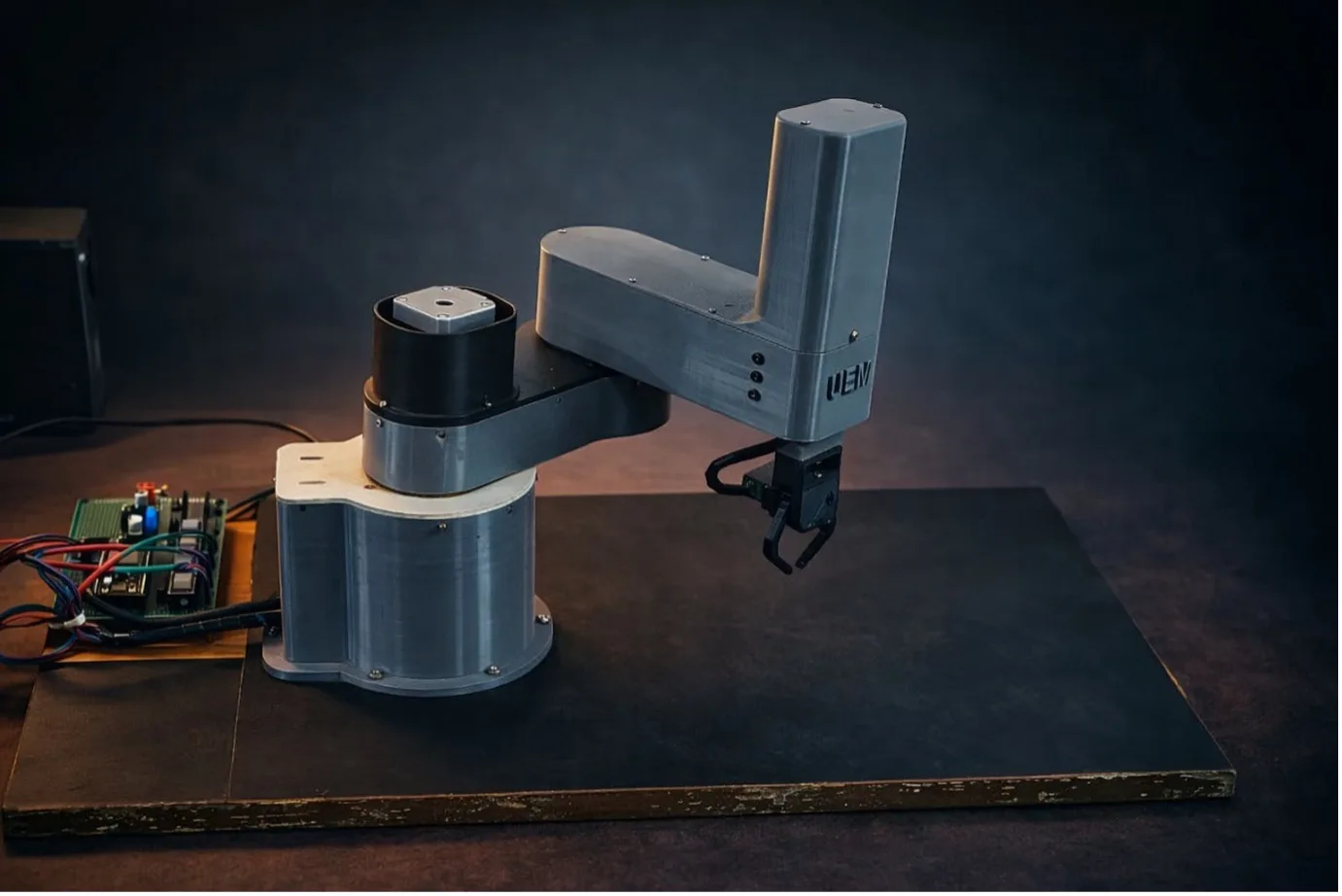
In the field of robotics and industrial automation, we have developed
and designed a 4-axis SCARA robotic arm for efficient pick and place
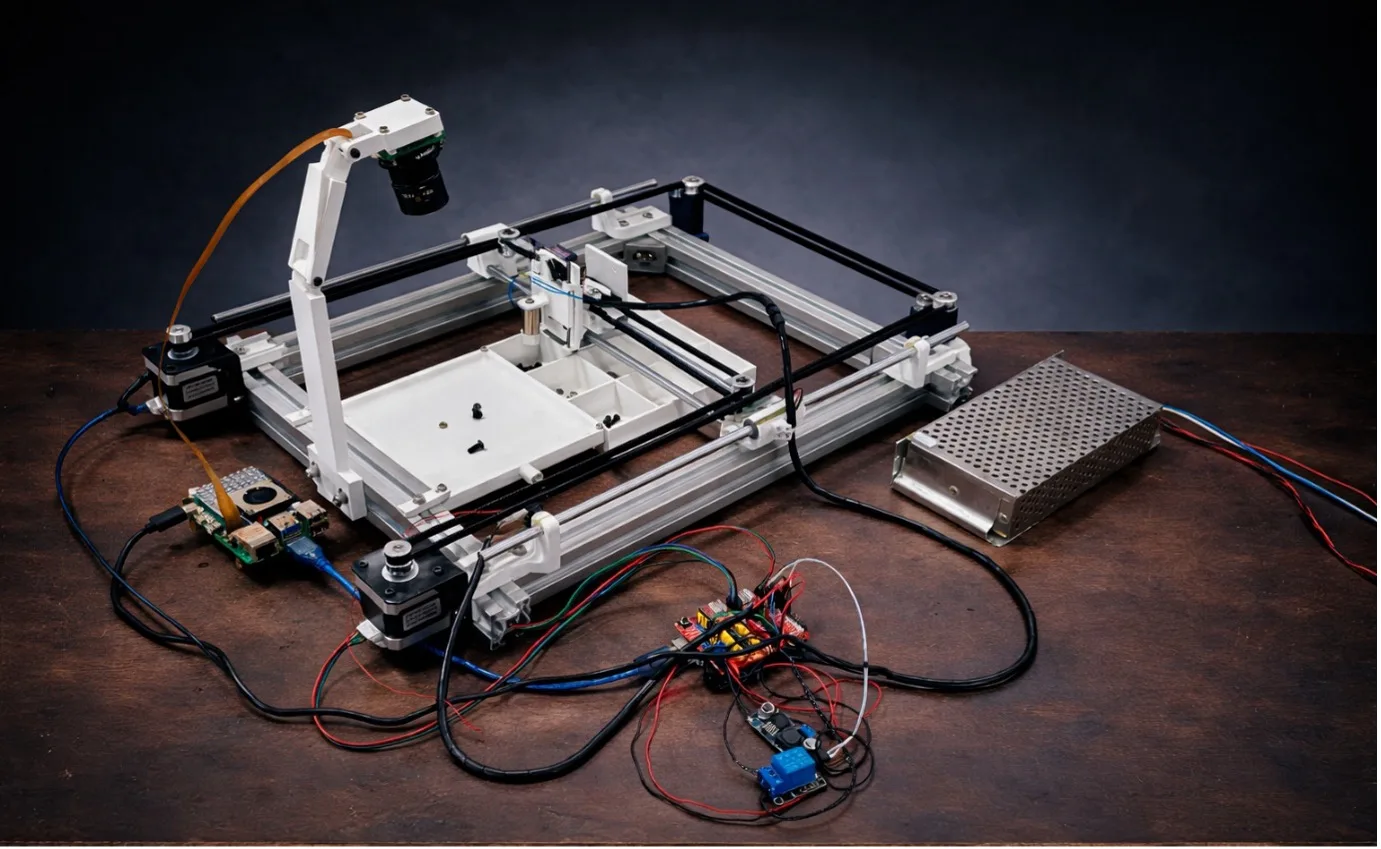
operations, and an Edge AI and computer vision-based system for
real-time object detection and sorting with a fully indigenous 3D
printed mechanism. We have also worked on a sustainable
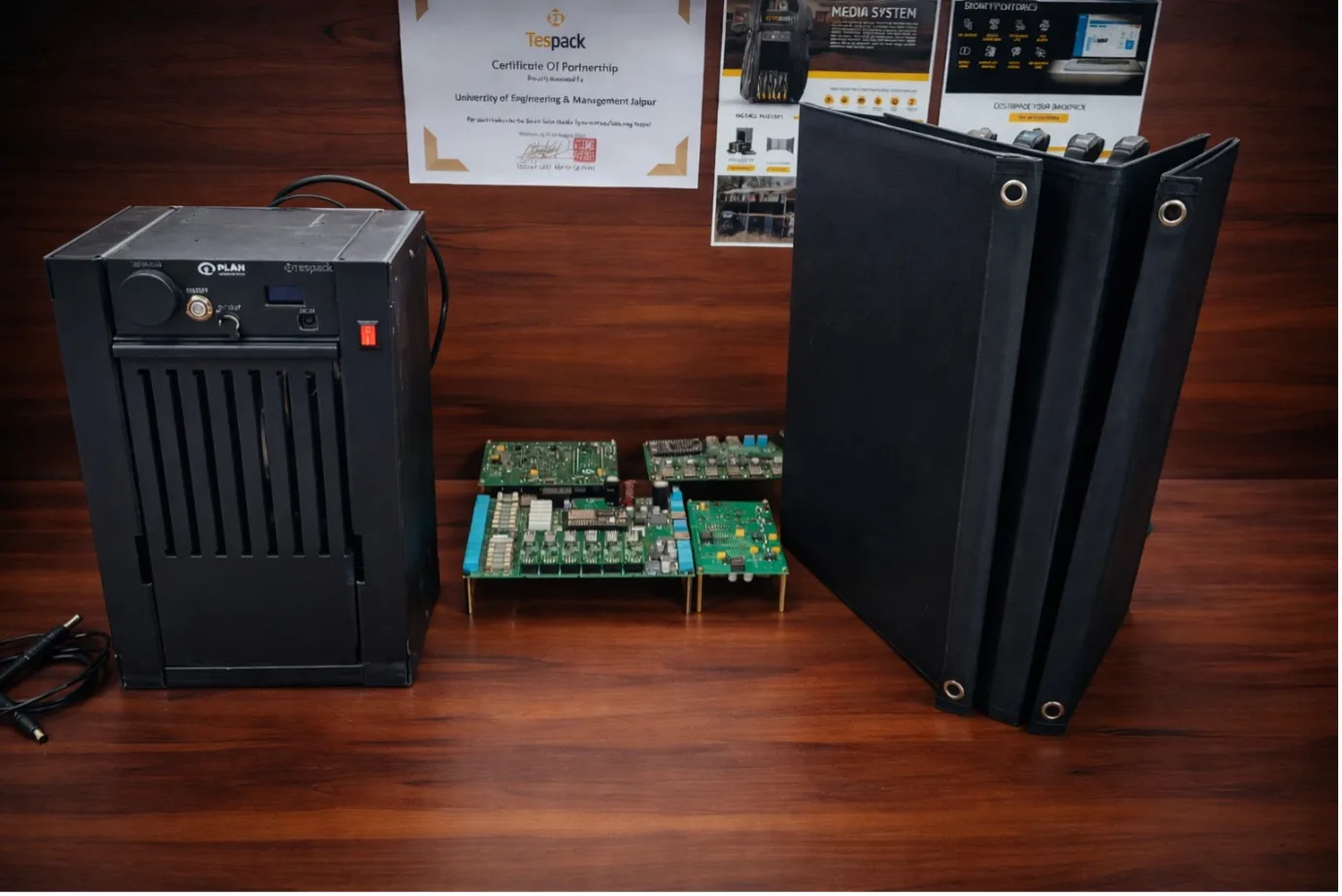
technology-based project, including the Smart Solar Media System, with
the aim of enabling energy-efficient digital classrooms in rural and
underserved areas.
Looking ahead, our research group is focused on further developing
these innovations with AI, IoT, and smart manufacturing technologies.
We aim to work on various research projects including autonomous
robotic systems, AI-based industrial analytics, smart energy
management systems, and scalable assistive technologies, with the aim
of addressing societal and industrial challenges, thereby aligning
with the IIC vision.
Project: GPS enabled Smart Shoe
Aim of the Project
To develop smart shoes that enable real-time tracking and
activity monitoring of school children using GPS and sensors.
The system aims to enhance safety by sending alerts during
unusual movement or boundary violations.
Output
The project delivers a functional prototype of smart shoes
capable of real-time location tracking and motion monitoring.
It provides alerts to guardians when abnormal activity or
movement outside safe zones is detected.
Future Modifications
Future improvements may include mobile app integration, SOS
emergency alerts, AI-based activity analysis, better battery
optimization, and advanced geofencing to enhance accuracy,
usability, and overall system intelligence.
Project: Automatic Soldering Machine
Aim of the Project
To design an automatic soldering machine that ensures precise
and efficient soldering of electronic components using
controlled mechanisms. The system aims to improve accuracy,
reduce manual effort, and support Industry 4.0 applications.
Output
The project delivers a working prototype of an automatic
soldering machine capable of performing precise and consistent
soldering. It also includes a camera module for real-time
monitoring of the soldering process.
Future Modifications
Future enhancements may include AI-based defect detection,
automated component placement, improved precision control, IoT
connectivity for remote monitoring, and integration with smart
manufacturing systems for advanced Industry 4.0 applications.
Project : SCARA Robotic Arm
Aim of the Project
To develop a 4-axis SCARA robotic arm for efficient object
handling and precise placement in industrial applications.
The system aims to support both manual and automatic
operations, enhancing productivity and flexibility.
Output
The project delivers a functional SCARA robotic arm capable of
picking and placing objects with accuracy. It can operate in
both manual and automatic modes and effectively connects two
assembly lines.
Future Modifications
Future enhancements may include vision-based object detection,
AI-driven automation, increased payload capacity, improved
precision control, and IoT integration for real-time
monitoring in smart manufacturing environments.
Project : TESPACK sponsored Smart Solar Media System
Aim of the Project
To develop a smart solar media system that provides
sustainable power and digital learning access in rural areas
using solar energy and integrated technology.
The system aims to enable smart classrooms and support
education with efficient energy tracking and management.
Output
The project delivers an integrated system combining solar
panels, power electronics, and software to create a smart
classroom setup. It provides reliable energy supply and tracks
energy generation and usage from solar and conventional
sources.
Future Modifications
Future enhancements may include improved energy storage
systems, AI-based energy optimization, offline content servers
for remote learning, IoT-based monitoring, and scalability for
larger educational and humanitarian deployments.
Project : Edge AI Powered Automated Object Sorting Machine
Aim of the Project
To develop an edge AI and computer vision based system for
real-time industrial object detection and automated sorting.
The system aims to provide a fully indigenous, cost-effective
solution.
Output
The project delivers a fully functional 3D printed machine
capable of detecting and sorting objects using edge AI and
computer vision. It performs real-time classification and
automated sorting with minimal human intervention.
Future Modifications
Future improvements may include higher accuracy models,
multi-object detection, faster processing units, IoT
integration for monitoring, and scalability for complex
industrial automation and smart manufacturing environments.
In 2022, UEM JAIPUR has ranked in 2nd position in entire North-Western India, under the Institutions Innovation Council (IIC) by the Ministry of Education, Govt. of India.
In 2022, UEM JAIPUR has been ranked as the "Most Promising University" by Atal Ranking of Institutions on Innovation Achievements - ARIIA rankings, the 2nd most prestigious rankings by Ministry of Education, Govt. of India.