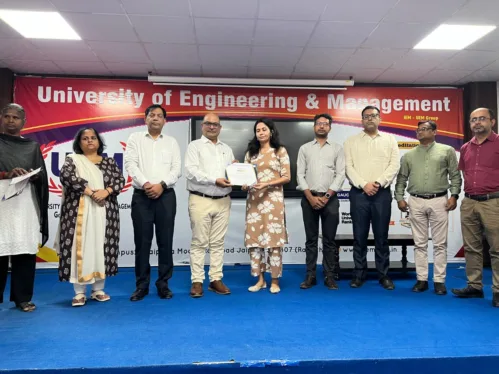
InnoCore Labs

Vision
To become a leading innovation lab that transforms core ideas into intelligent, impactful technologies, improving healthcare, engineering systems, and everyday life while contributing to a better and more inclusive world.
Mission
To design and develop smart, reliable, and scalable solutions by integrating AI, embedded systems, and biomedical engineering; to empower students and researchers through hands-on innovation; and to create technologies that solve real-world problems with precision, purpose, and integrity.
Member:

Mr. Afaq Ahmad (Research and Development Associate)

Dr. Neha Vyas (Associate Professor, School of Physiotherapy)

Turjo Roy (Lab Assistant, Department of Computer Applications)

Prof. Iqbal Ahmed (Assistant Professor, Department of Mechanical Engineering)
Student Members
- Raj krish
- Neil kshitij Roy
- Ashika singh
- Niladri Chandra Saha
- Ayushi Biswas
- Ashmita Karmakar
- Vanshika bhatt
- Ankita Sharma
- Kumari palak prasad
- Anshul Pathak
- Aporva
- Shibhagni
- Akshit
- Supradeep
- Navneet kumar
- Ashish
Product Design
- Numitor-18
- Trilobe-II
- Garden light
- IoT enabled IV drip monitoring system
- A smart system that tracks machine runtime and activity cycles
Product Design : NUMITOR-18 E-Series Bike
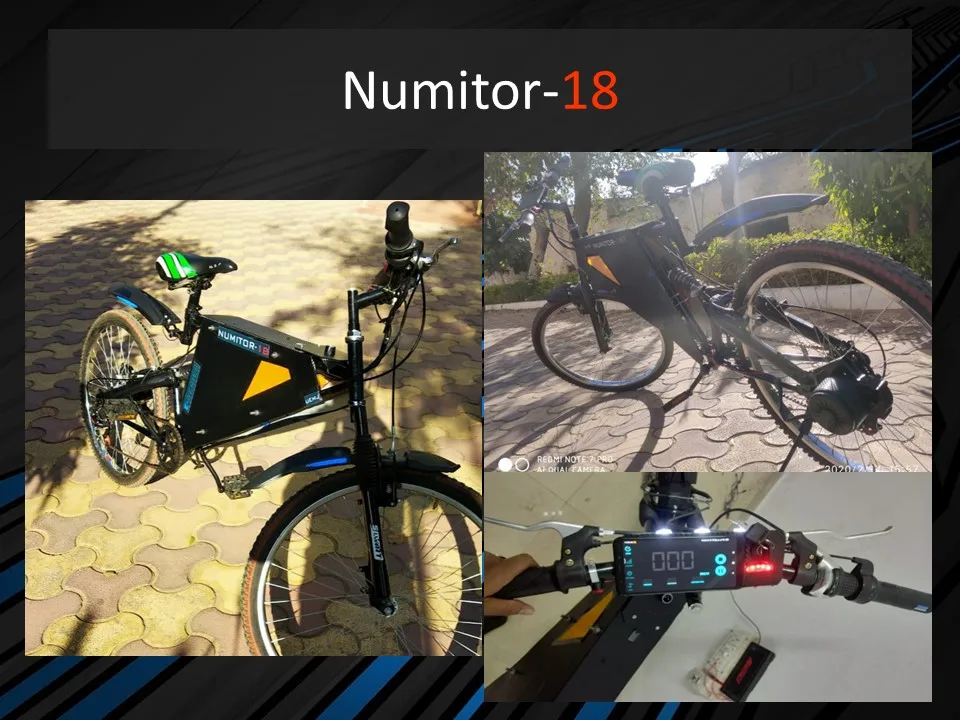
NUMITOR-18 is an innovative E-Series hybrid bike designed to operate using both manual paddling and electric power. It is powered by a 250W motor running on 24V DC, supported by an Electronic Speed Controller (ESC) that regulates power delivery efficiently. The bike uses a lithium-ion battery pack consisting of 18 cells, providing a total capacity of 24V and 54000mAh. It offers a range of 15–20 km with a maximum speed of 15 km/h and requires approximately 4 hours for a full charge with fast charging capability.
The bike features a user-friendly dashboard that includes an ignition key, Android-based speedometer, battery level indicator, headlight switch, and horn control. It also includes a mobile charging port for added convenience. The design incorporates a lightweight aluminum composite body with aerodynamic air vents for cooling critical components like ESC, BMS, and battery, enhancing performance and durability.
A key highlight of NUMITOR-18 is its dual-mode functionality, allowing smooth switching between pedaling and electric drive. It includes a 3-gear system for flexible riding and a smart braking system where both brakes act as a kill switch, cutting off motor power and activating brake lights instantly for safety.
From an economic perspective, the total cost of building the bike is approximately Rs. 12,000, making it highly affordable. It offers low running costs, minimal maintenance, and significant savings compared to conventional fuel-based vehicles. Additionally, it promotes zero emissions, environmental sustainability, and convenient charging.
The project integrates modern technologies such as a smart Battery Management System (BMS), efficient electric motor, lightweight structure, and smartphone-based monitoring. Overall, NUMITOR-18 represents a cost-effective, eco-friendly, and practical mobility solution for short-distance transportation.
Product Design : Trilobe Mark-II
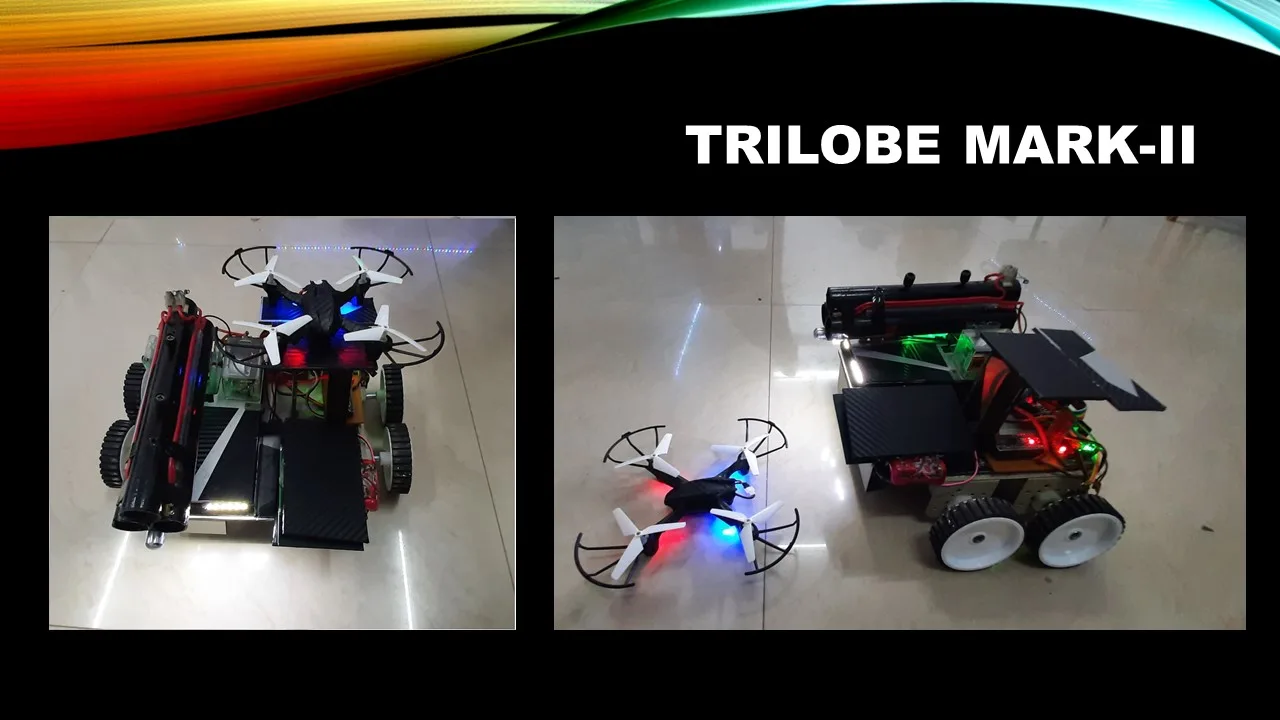
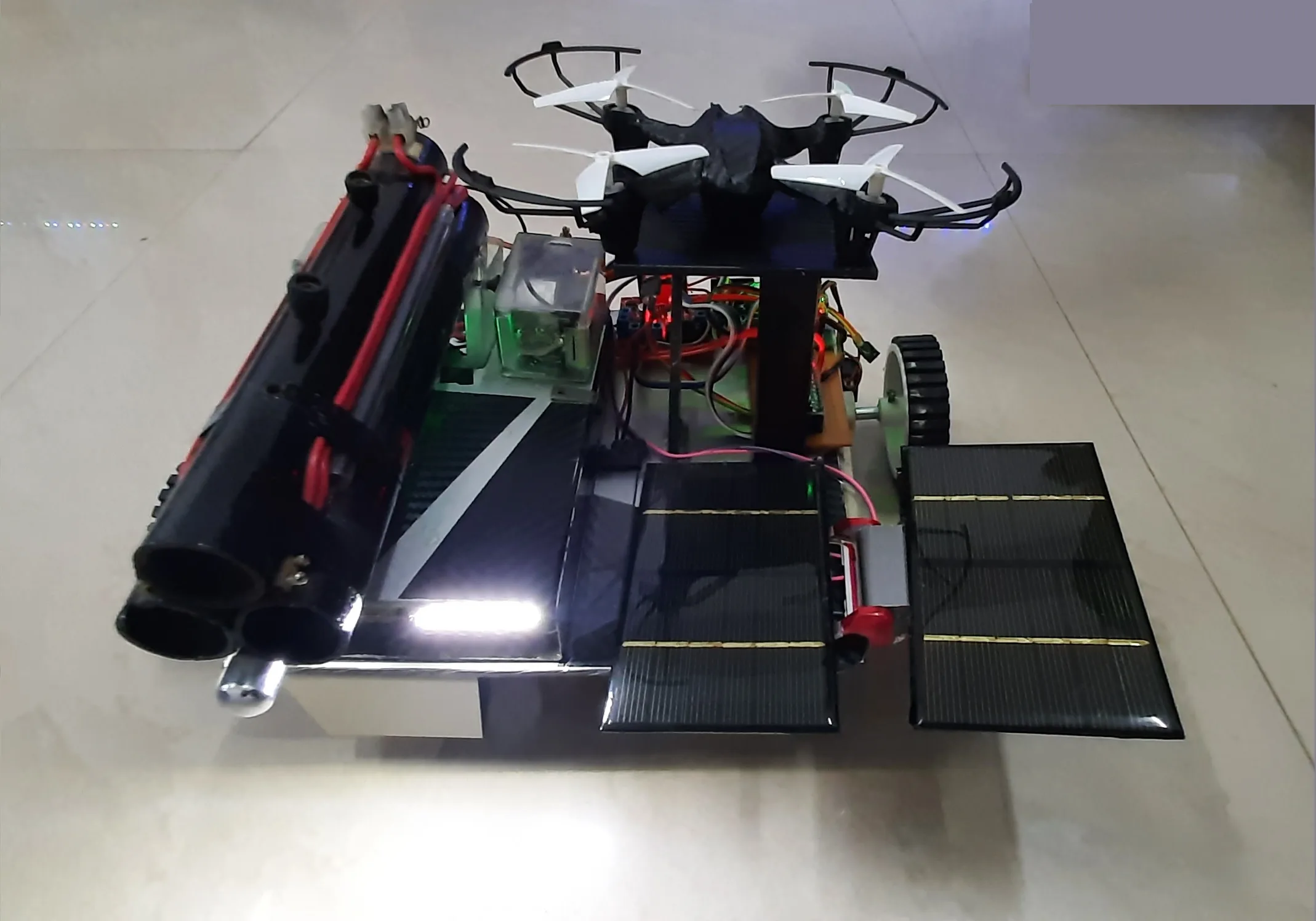
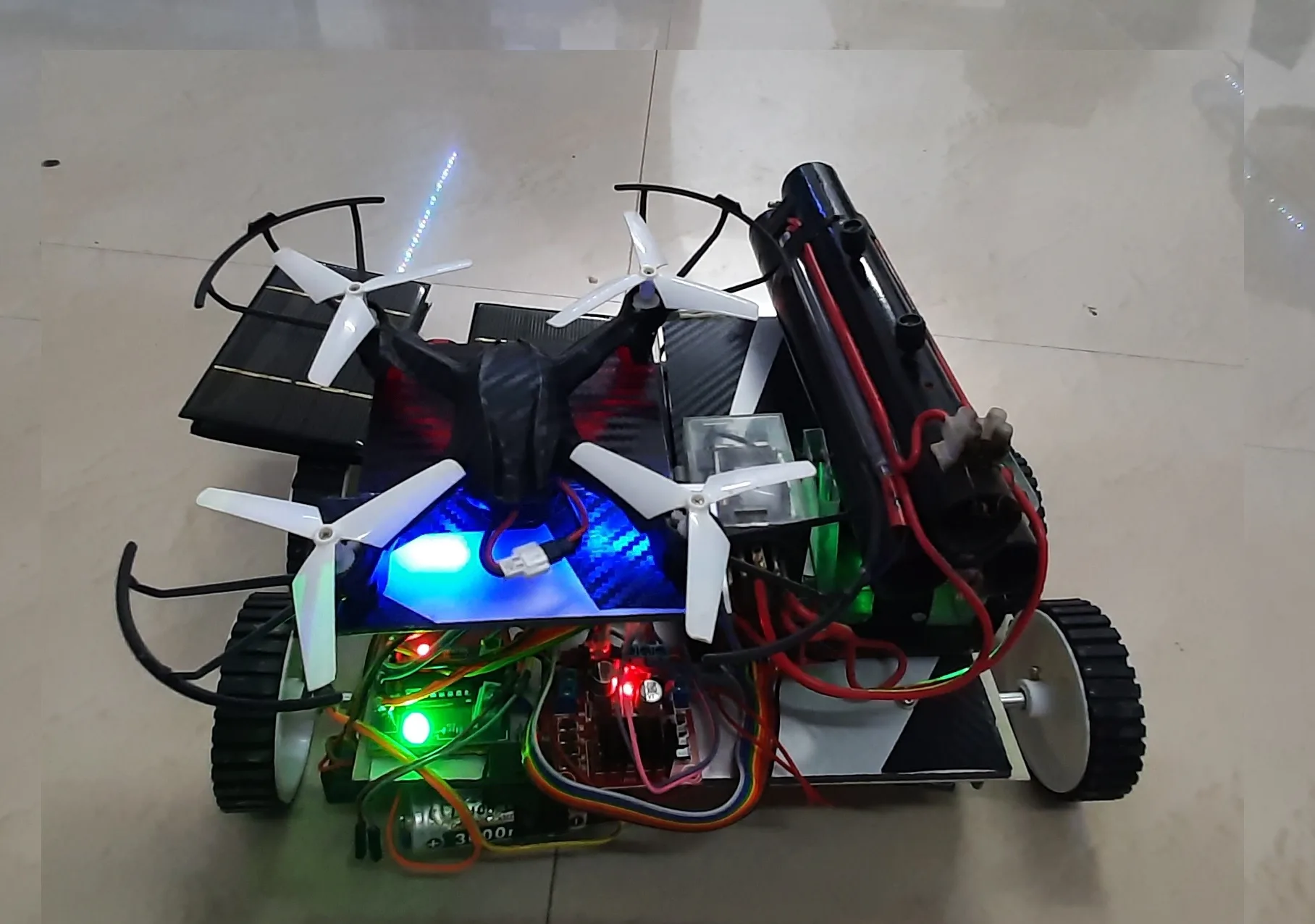
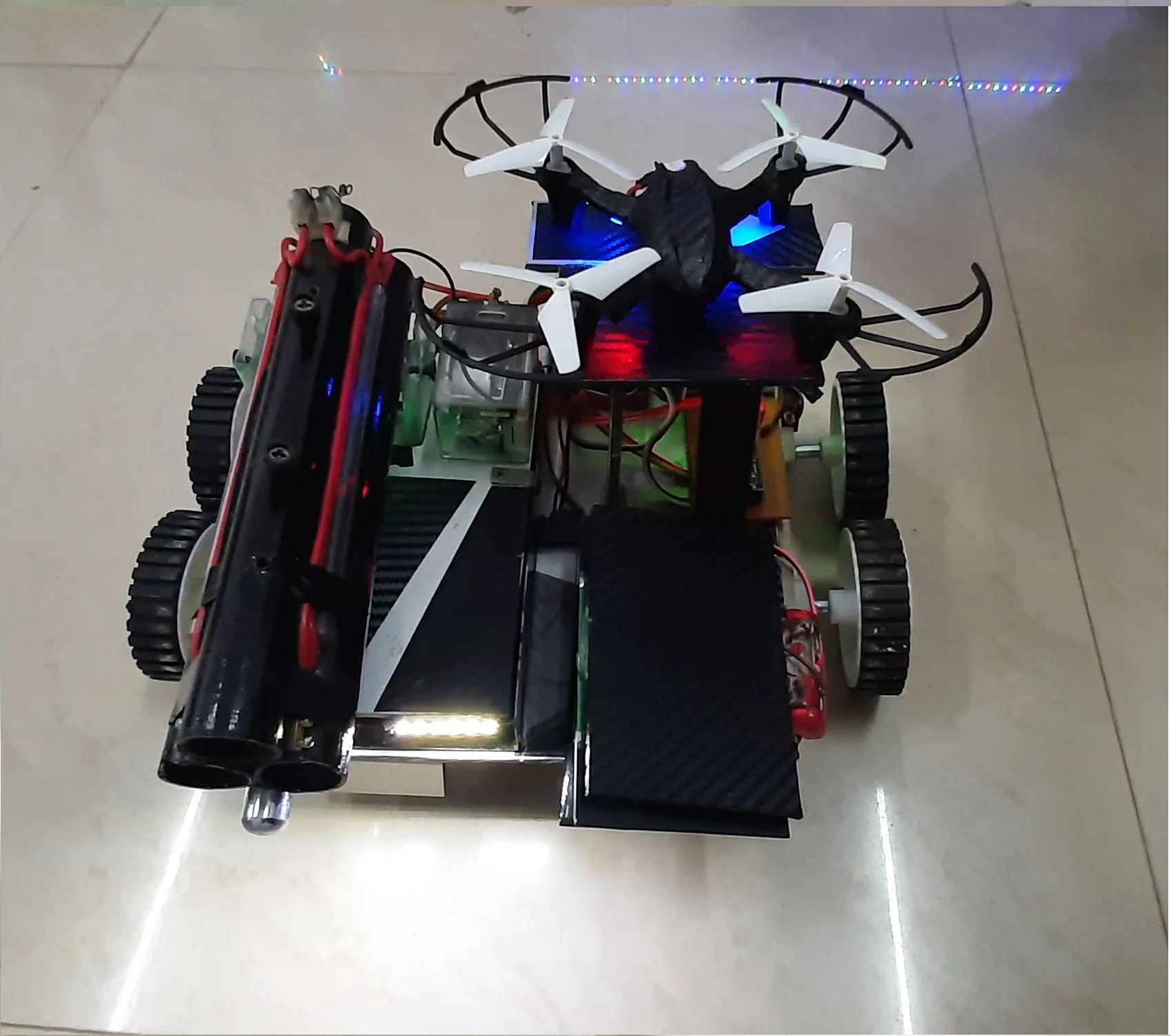
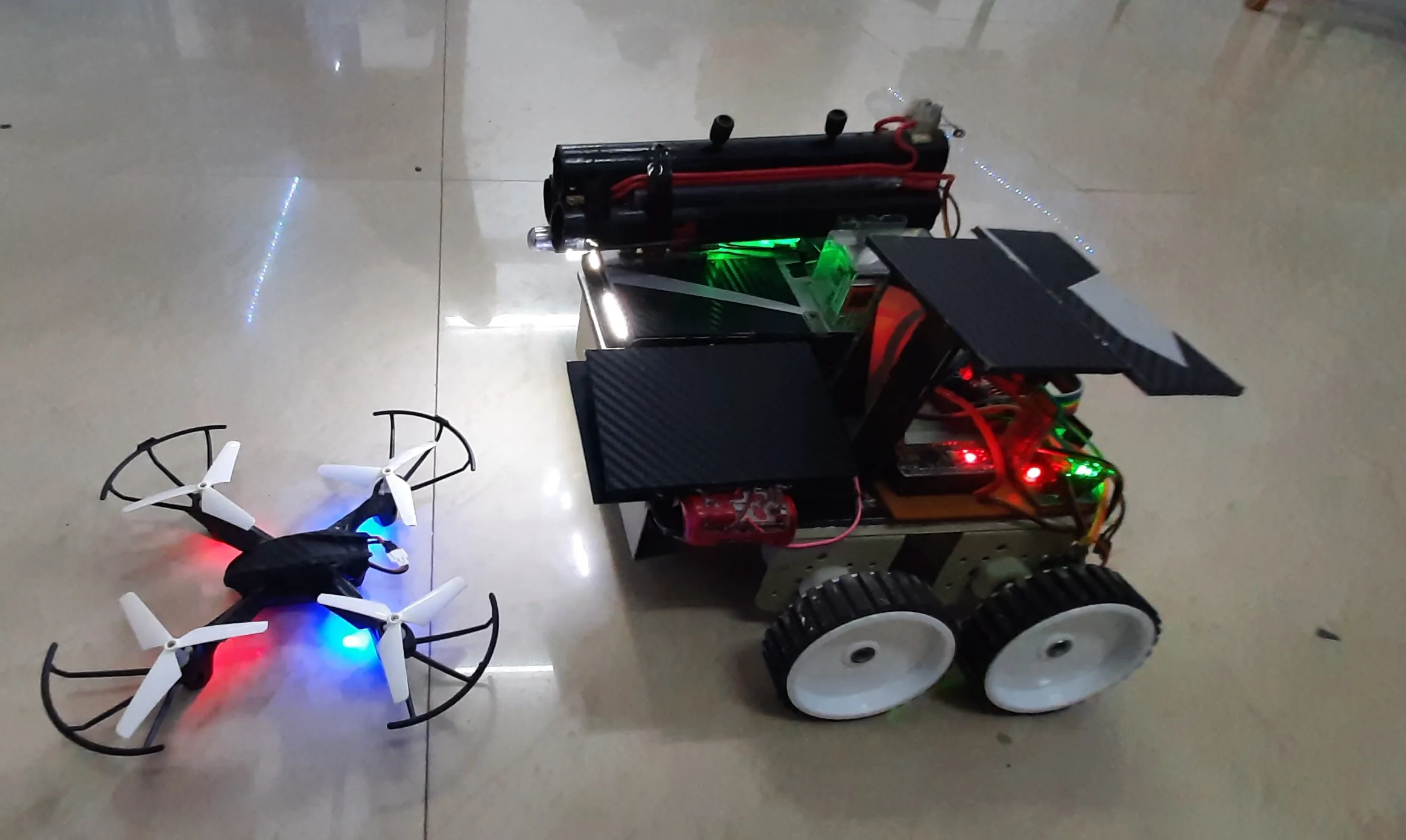
Trilobe Mark-II is an unmanned combat vehicle designed and developed at UEMJ by Afaq Ahmad. The system is built to operate remotely using wireless connectivity, enabling communication with a command center for control and monitoring. It is equipped with an integrated solar charging system, allowing the vehicle to recharge its battery pack in remote or off-grid locations, enhancing operational endurance.
The vehicle is powered by a lithium-ion battery pack, selected for its high energy density, lightweight nature, and fast charging capability. In addition to conventional charging, the system includes dual solar panels mounted in a foldable configuration to optimize space. These panels are connected in series to increase power output, providing approximately 12V DC at 0.8–1 Amp for auxiliary charging.
A key feature of Trilobe Mark-II is its digitally controlled missile ignition system, capable of launching up to 40 missiles on a single charge. The ignition system is designed for reliability and low maintenance, using advanced electronic control through relay and high-voltage driver modules. The firing mechanism supports both manual and automatic modes, with adjustable angle of projection and safety indications for armed and disarmed states.
The vehicle also incorporates a drone station, enabling aerial surveillance and real-time monitoring of target areas. This enhances situational awareness by providing a broader field of vision and aiding in enemy detection and tracking.
Additional features include high-brightness front-mounted LEDs for improved night visibility and robust electronic control systems for motor and weapon operations. Overall, Trilobe Mark-II represents a combination of mobility, remote operation, renewable energy integration, and advanced combat capabilities, making it a versatile and efficient unmanned defense platform.
Product Design : Smart Garden Light
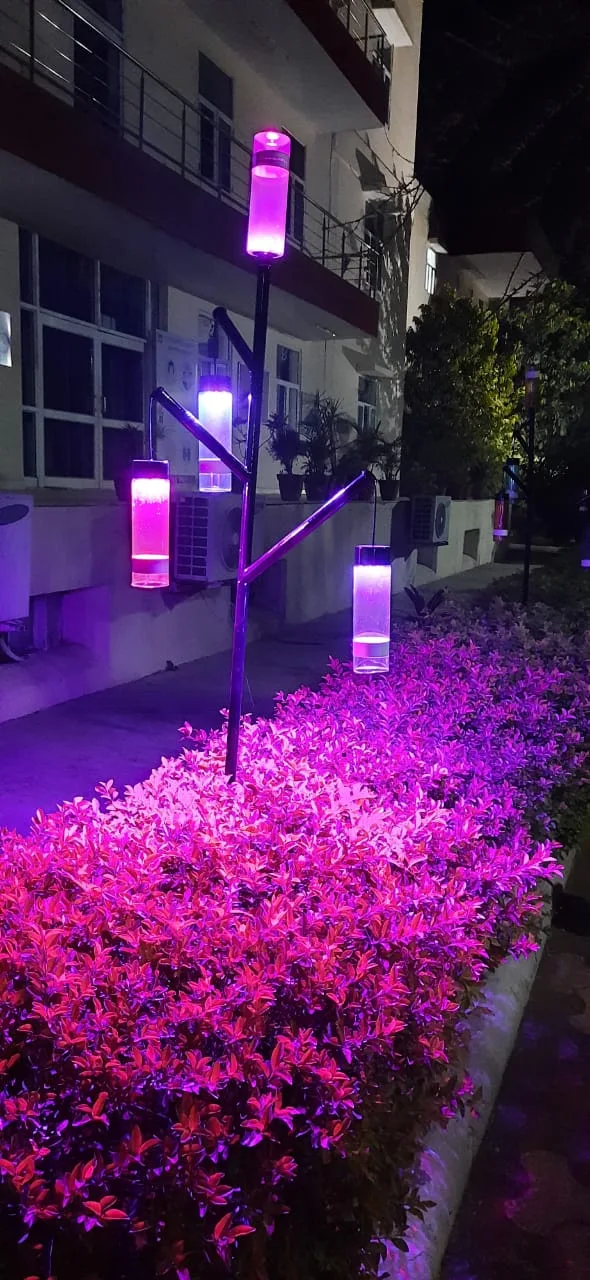
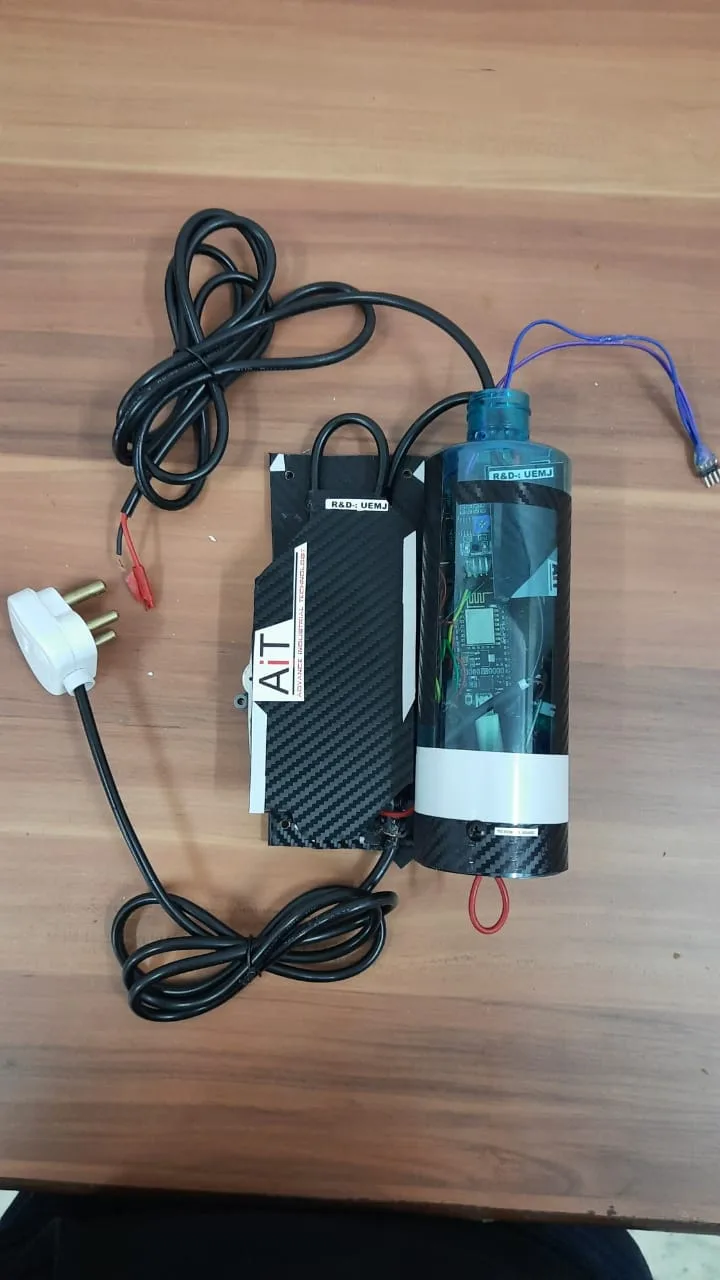
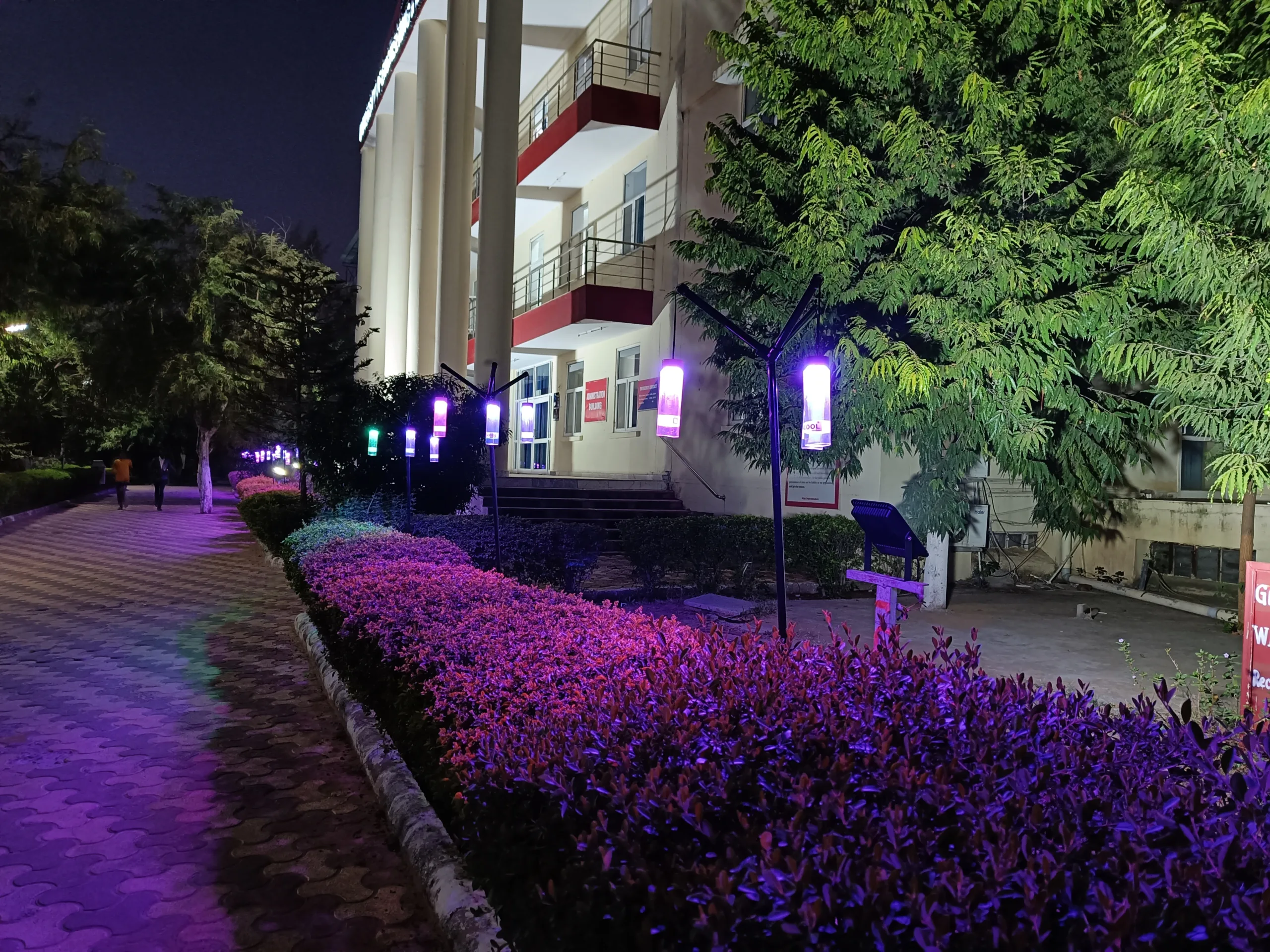
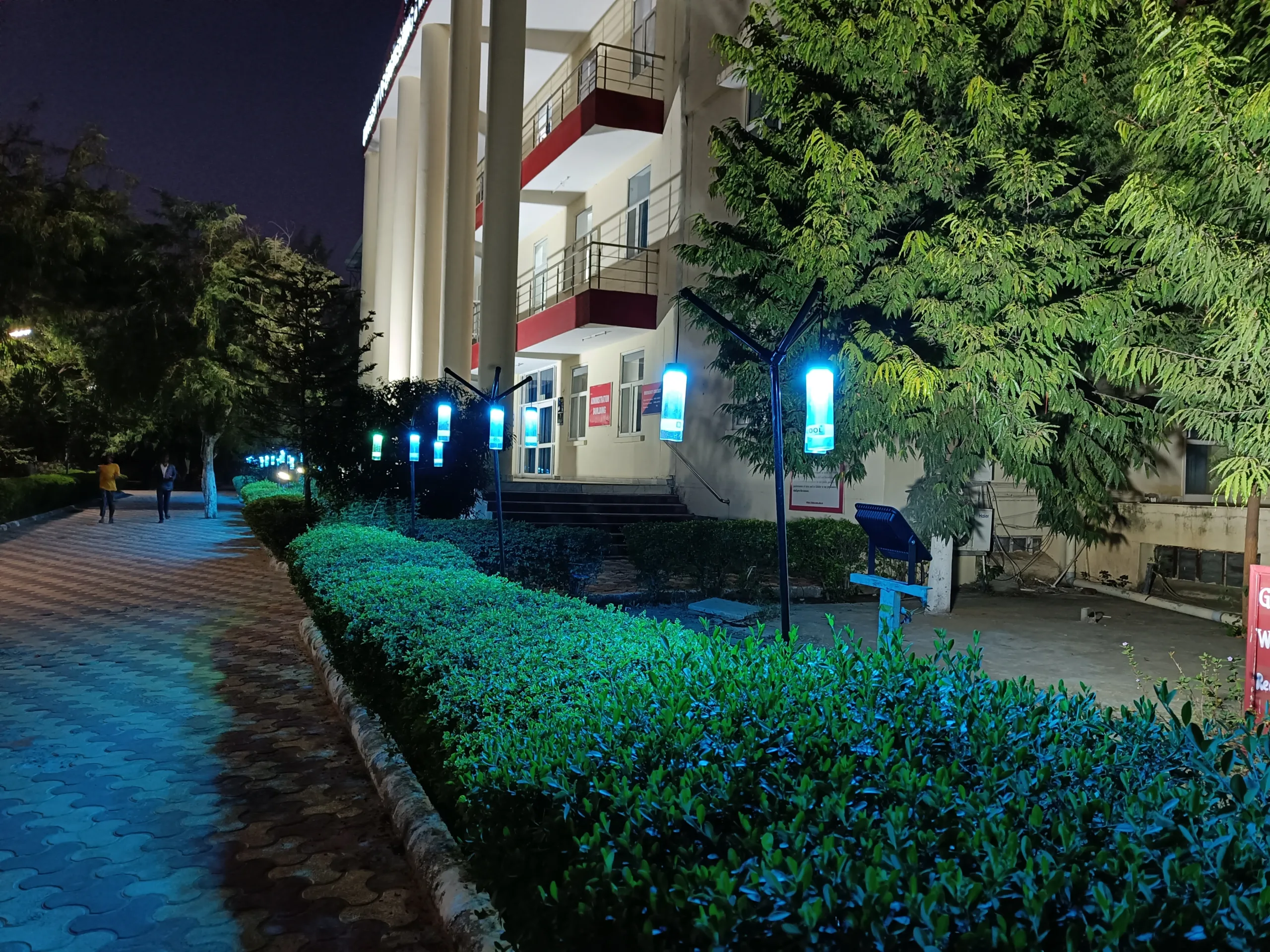
The Smart Garden Light is an IoT-based system developed by AiT UEMJ to automate and monitor garden lighting and irrigation. It integrates sensors, a microcontroller, and a relay unit to provide intelligent control based on real-time environmental conditions.
The system uses a light sensor to automatically switch garden lights ON during nighttime and OFF during daytime. A soil moisture sensor continuously monitors soil conditions and activates the irrigation system when water levels fall below a defined threshold. This ensures efficient water usage and optimal plant care.
Users can control and monitor the system remotely through an Android application connected via an IoT network. The application provides features such as manual ON/OFF control, timer-based operation, pump control, soil moisture monitoring, and an autonomous mode for fully automated functioning.
Overall, the Smart Garden Light system enhances convenience, energy efficiency, and plant health by combining automation, IoT connectivity, and smart sensing technologies.
Product Design : IoT enabled IV drip monitoring system
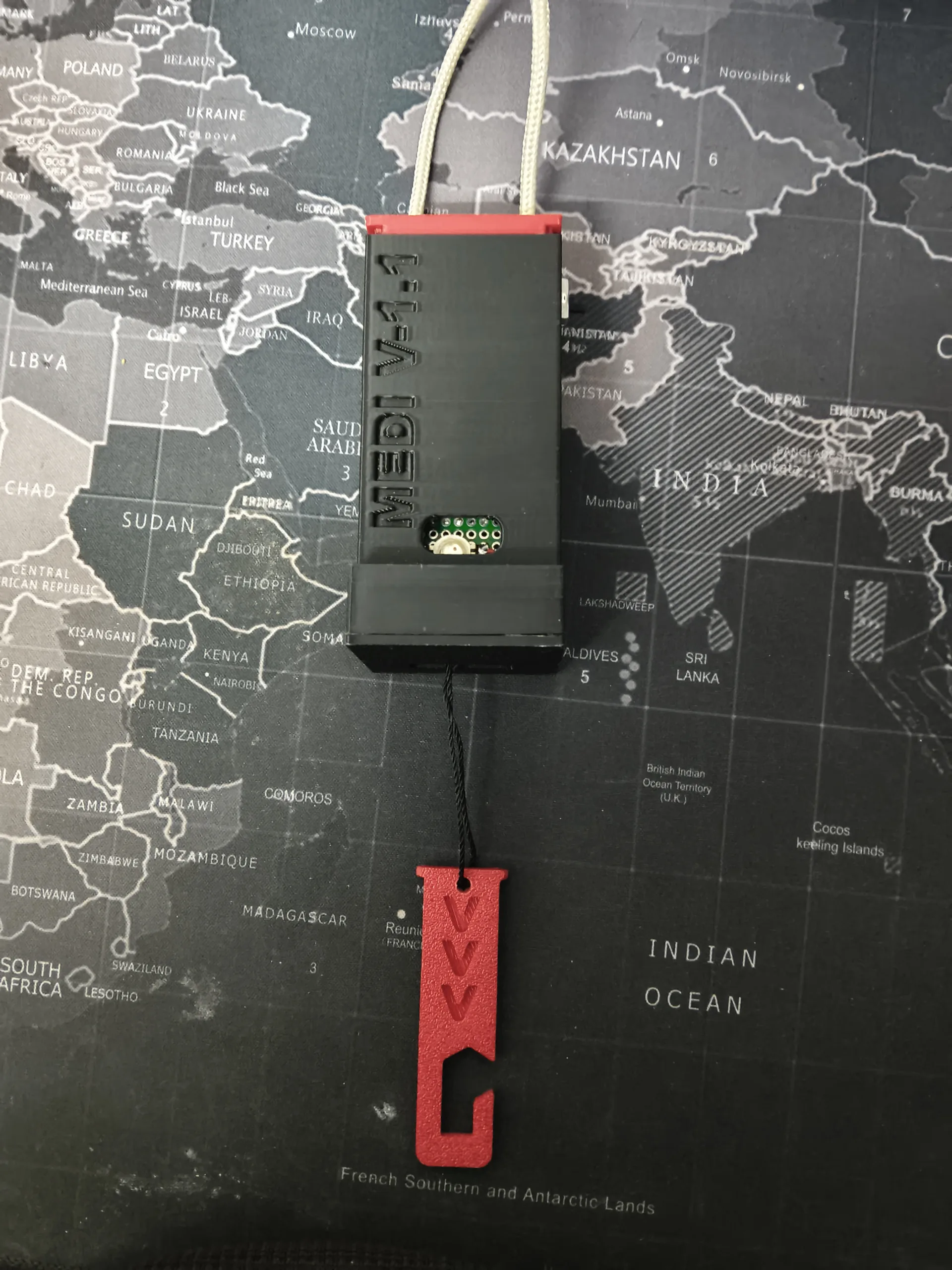
The Smart IV Drip Monitoring Device is an intelligent healthcare solution designed to continuously monitor intravenous (IV) fluid flow and improve patient safety in hospitals and clinical environments. The system combines sensor-based monitoring, microcontroller processing, and a real-time dashboard to ensure accurate tracking of IV parameters and timely alerts.
The device utilizes sensors to measure drip rate, detect fluid levels, and identify flow irregularities such as blockage, air bubbles, or an empty IV bottle. When any abnormal condition is detected, the system instantly triggers alerts through visual indicators, buzzer notifications, and dashboard warnings, enabling healthcare staff to respond quickly and effectively.
At the core of the system is a microcontroller (such as ESP32), which processes real-time data from sensors and transmits it over an IoT network to a centralized monitoring dashboard. The dashboard provides a live overview of multiple patients simultaneously, displaying key parameters like drip rate, fluid status, and alert conditions. This significantly reduces the need for manual monitoring and allows medical staff to manage multiple IV setups efficiently.
The system also supports advanced features such as threshold-based alerts, historical data tracking, and remote access, ensuring better decision-making and improved patient care. Its ability to provide continuous monitoring minimizes human error and enhances response time in critical situations.
Designed to be compact and easy to integrate with existing IV systems, the device operates on low power and can be powered using rechargeable batteries, ensuring reliability even during power interruptions.
Overall, the Smart IV Drip Monitoring Device enhances healthcare efficiency, safety, and automation by integrating real-time sensing, intelligent alerting, and centralized dashboard control, making it a valuable innovation for modern medical systems.
Product Design : A smart system that tracks machine runtime and activity cycles
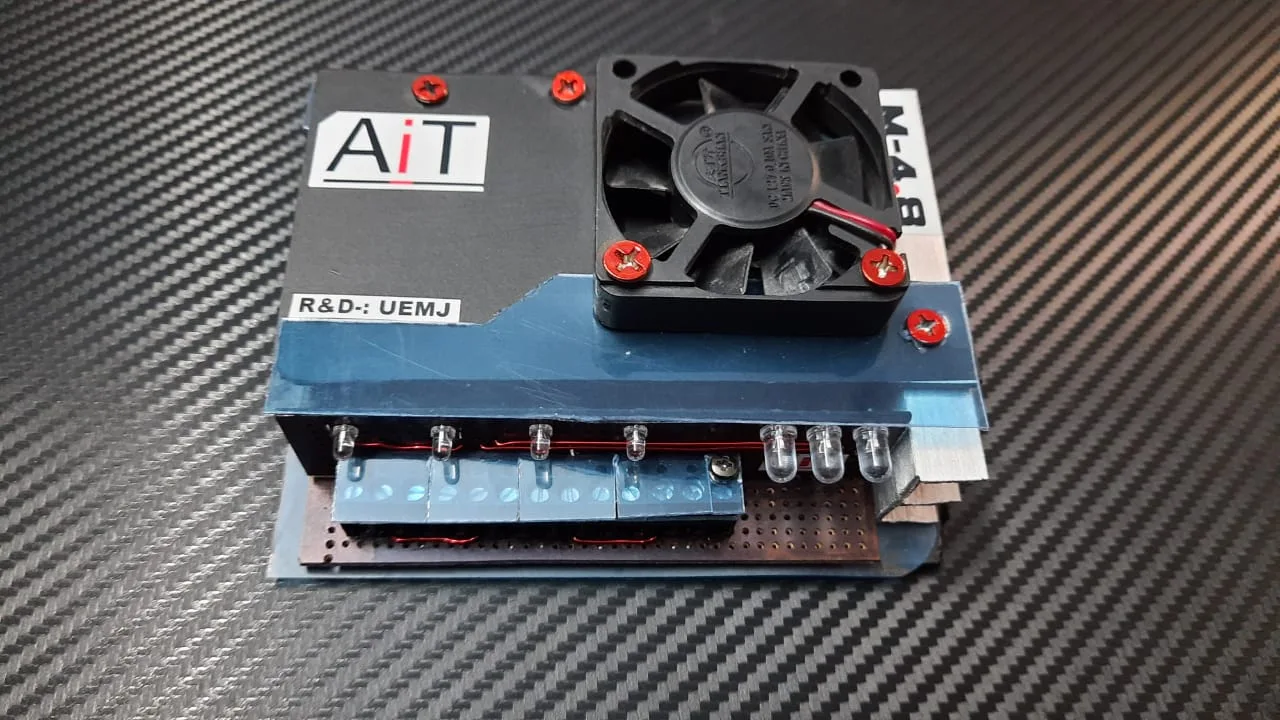
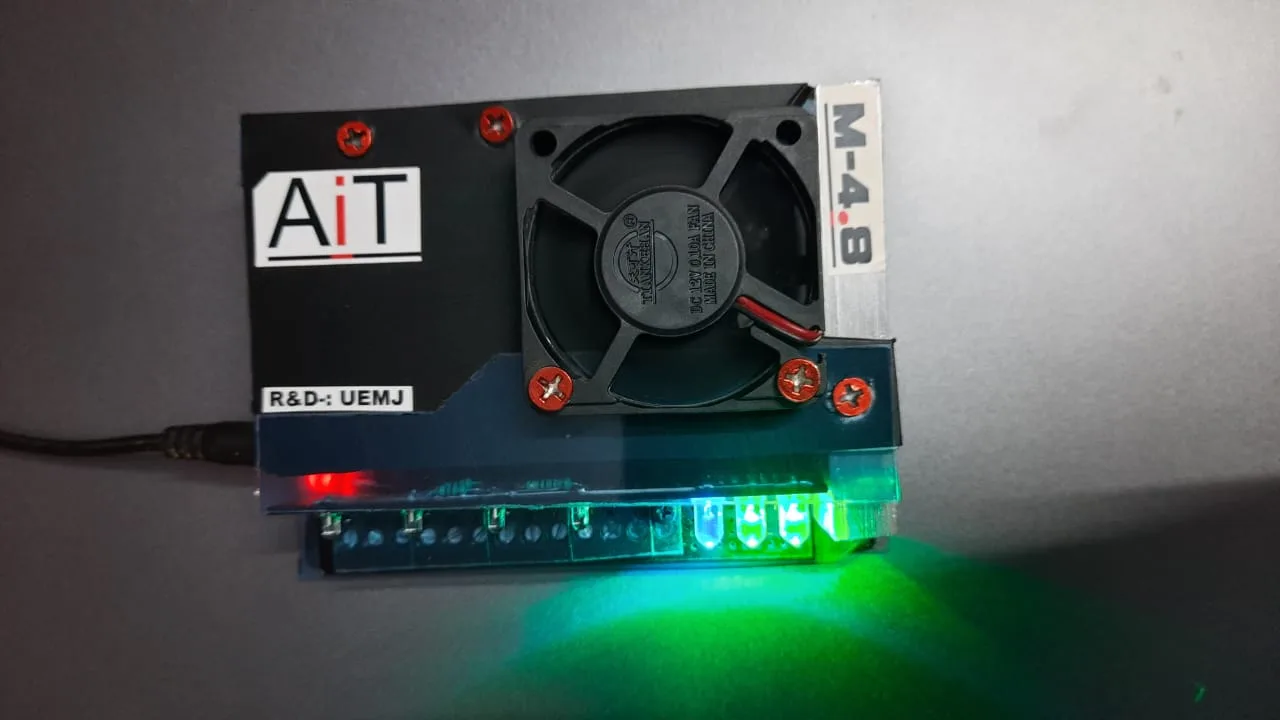
A smart system that tracks machine runtime and activity cycles to measure productivity, reduce idle time, and improve operational efficiency
The Time-Based Work Done Monitoring System is an advanced embedded solution developed to accurately quantify machine productivity by analyzing operational time, activity cycles, and utilization patterns in real-time. Unlike conventional monitoring systems that rely solely on instantaneous parameters, this system focuses on time-driven performance evaluation to provide a more reliable measure of actual work done.
The device continuously monitors machine states using sensor inputs (such as proximity sensors, current sensors, or vibration feedback) to detect whether the machine is actively performing work, idling, or completely stopped. Based on these inputs, the system classifies operation into distinct states—Active Run Time, Idle Time, and Downtime—and logs each with high precision.
A core algorithm processes this time-segmented data to calculate effective work done over a defined period. By assigning weighted significance to active cycles and filtering out non-productive intervals, the system generates meaningful productivity metrics such as utilization percentage, effective working hours, and cycle efficiency.
The system features an embedded microcontroller-based architecture with real-time processing capability, enabling immediate feedback through OLED/LCD displays. It can also store historical data for trend analysis and performance auditing. Optional alert mechanisms notify operators when machine utilization drops below predefined thresholds, ensuring timely corrective action.
Designed for industrial environments, the solution is robust, scalable, and easily integrable with existing machinery. It plays a critical role in improving operational transparency, optimizing workforce and machine usage, supporting preventive maintenance strategies, and ultimately enhancing overall production efficiency.
Publications (Research Article):
2024
-
Doctor Web3.0: An Enhanced Decentralized Framework to Share and
Store Medical Records of Patients
J. Anand, A. Ahmad, D. Ghosh
12th International Conference on Internet of Everything, Microwave Engineering, Communication and Networks
-
Segmental Analysis of GPS Accuracy in ESP-Based Device for Linear
Distance Measurement
S. Dey, A. Ahmad, S. Banerjee
12th International Conference on Internet of Everything, Microwave Engineering, Communication and Networks
-
Application of Artificial Intelligence in Stimulating Plant
Growth Using Electric Lighting
S. Banerjee, A. Ahmad, A. Mukherjee, P. Malik
Light & Engineering, Vol. 32 (2)
2023
-
Artificial Lighting for Plants (ALP)
A. Ahmad, S. Banerjee, A. Mukherjee, A. Soni
Journal of Mines, Metals & Fuels, Vol. 71 (4)
-
FLODAREM: Intelligent Flood Detection and Dam Reservoir
Monitoring System
P.K. Sharma, S. Basu, K. Bairagi, A. Ahmad
IEEE 13th Annual Computing and Communication Workshop and Conference
-
Design and Fabrication of an IoT-Based Air Purifier using HEPA
Filter
A. Choudhary, L. Saini, A. Ahmad, H. Banerjee, F. Gazi
11th International Conference on Internet of Everything
-
IoT-Based All-in-One Security System
I. Varshney, A. Chowdhury, A. Ahmad, H. Banerjee
11th International Conference on Internet of Everything
2022
-
The Capteur: IoT-Based Device for Real-Time Scenario Analysis
A. Sarkar, M.R. Choudhury, A. Ahmad, et al.
Applications of Machine Intelligence in Engineering
-
IoT-Based Automated Vehicle Parking System
H. Banerjee, A. Ahmad, P. Mitharwal
Applications of Machine Intelligence in Engineering
-
Contactless Attendance and Temperature Monitoring System
R. Srivastava, A. Ahmad, H. Banerjee, I. Varshney
Applications of Machine Intelligence in Engineering
-
Hydrone: IoT-Enabled Autonomous Underwater Vehicle for Aquatic
Ecosystem Monitoring
S. Basu, A. Ahmad, A. Debnath
Applications of Machine Intelligence in Engineering
-
Autonomous Water Flow Control and Monitoring System
S. Basu, A. Ahmad, H. Pareek, P.K. Sharma
Interdisciplinary Research in Technology and Management (IRTM)
2018
-
A Secured Framework for Encrypted Messaging Service for Smart
Devices (Crypto-Message)
S. Dey, A. Ahmad, A.K. Chandravanshi, S. Das
Information Systems Design and Intelligent Applications
2017
-
A Theoretical Approach on Grid Computing: Applications and
Review
R. Guharoy, S. Sur, A. Ahmad, et al.
IEEE Industrial Automation and Electromechanical Engineering Conference
-
Leveling Up: Using E-Waste to Build a Gaming Console
A. Ahmad
IEEE Potentials
-
An Unmanned Surface Vessel for Non-Combat Military Operations
over Resource-Constrained Networks
S. Dey, A. Roy, A.K. Chandravanshi, A. Ahmad
International Journal of Innovative Research in Science, Engineering and Technology
2016
-
Green Energy Harvesting using Nantenna
S. Sur, R. Guharoy, A. Ahmad, et al.
IEEE Ubiquitous Computing, Electronics & Mobile Communication Conference
Patents:
2024
-
Plant Monitoring System Based on Internet of Things (IoT)
A. Ahmad, R. Majumdar, J. Anand
Indian Patent Filed | File No.: 202411065157
-
Road Accidental Alert Module (RAAM)
A. Ahmad, S. Banerjee, S. Dey
Indian Patent Filed | File No.: 202411060727
-
Prosthetic Robotic Arm
A. Ahmad, S. Dey, S. Banerjee
Indian Patent Filed | File No.: 202411060733
-
Wi-Fi Enabled Penguin Walker Robot for Robotic Learning
A. Ahmad, S. Basu, A. Mukherjee
Indian Patent Filed | File No.: 202411060730
-
Jockey Motion Tracker: Revolutionizing Posture and Balance
Monitoring in Hippotherapy
A. Ahmad, Dr. M. Teotia, Dr. V. Nair
Indian Patent Filed | File No.: 202411060735
2022
-
Intelligent Flood Detection and Dam Reservoir Monitoring
System
A. Ahmad, S. Basu
Indian Patent Filed | File No.: 202211046880
2021
-
Device for Factory Machine Process Monitoring
A. Ahmad, Prof. Dr. B. Chatterjee
Indian Patent Filed | File No.: 202111037404
-
Limit Switch Design for Factory Machine Monitoring System
A. Ahmad, Prof. P.K. Sharma
Indian Patent Filed | File No.: 202111037405
-
Internet of Things Based Integrated Lighting and Irrigation
System
A. Ahmad, S. Basu, Dr. A. Mukherjee
Indian Patent Filed | File No.: 202111051237
2019
-
INNOMECH Vehicle Automation System
A. Ahmad, P. Gautam
Filed to Indian Patent Office, Kolkata | File No.: E-1/3780/2019-DEL
-
Autonomous Water Flow Control System
A. Ahmad, S. Basu
Indian Patent Filed | File No.: 201931043981
2018
-
Automatic Evaluation Framework for Injecting and Detecting
Duplicated Code
A. Ahmad, P. Gautam
Indian Patent Filed | File No.: 201811048645
-
IoT-Based Green Power Home Automation Device
A. Ahmad
Indian Patent Filed | File No.: 201811048647